


Understanding the Plastic Waste Problem in Delhi
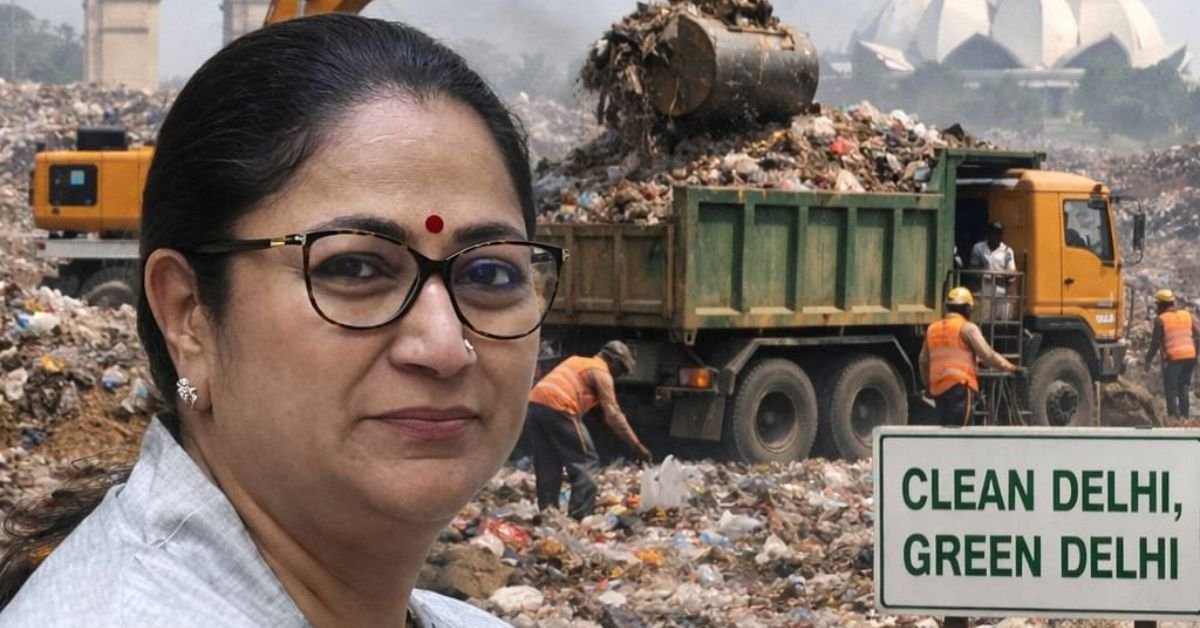
Delhi, the capital city of India, faces a significant challenge in managing plastic waste, which has escalated to alarming proportions. Currently, the National Capital generates an estimated 9,000 metric tons of waste each day, with plastics comprising a substantial fraction. Reports indicate that approximately 3,000 metric tons of this waste consist of plastic materials, highlighting the urgent need to address the plastic crisis in the city.
The types of plastic waste prevalent in Delhi include single-use plastics, such as bags, bottles, and packaging materials, as well as hard plastics from discarded consumer goods. These items often find their way into streets, drains, and open spaces, creating an unsightly and hazardous environment. Common sources of this plastic waste include households, markets, and commercial establishments, exacerbated by a lack of effective waste segregation practices.
The impact of plastic waste on both the environment and public health is profound. Overflowing landfills, such as the notorious Ghazipur landfill, serve as stark examples of the problem, posing serious environmental risks, including soil pollution and greenhouse gas emissions. Additionally, the accumulation of plastic debris in water bodies contributes to issues like flooding during monsoons, as drainage systems are blocked, resulting in further urban challenges.
Furthermore, the presence of plastics not only threatens biodiversity due to harm to wildlife but also significantly affects human health. Microplastics can enter the food chain through contaminated water and soil, posing risks due to their potential toxicity. Furthermore, the pervasive nature of plastic waste contributes to the deterioration of public spaces, impacting the quality of life for Delhi’s residents.
Addressing the plastic waste problem in Delhi is crucial for the preservation of the environment and the health of its citizens. Comprehensive strategies, including better waste management, public awareness campaigns, and regulatory measures, are needed to tackle this ongoing challenge.
Government Initiatives to Tackle Plastic Waste
The issue of plastic waste in Delhi has reached critical levels, prompting the Chief Minister to implement a series of initiatives aimed at reducing plastic usage and promoting a cleaner environment. One of the primary measures introduced is the ban on single-use plastics, which has been enforced to mitigate the detrimental effects of plastic pollution. This ban targets items that are commonly discarded after one use, such as plastic bags, cutlery, and straws, which significantly contribute to environmental degradation.
In addition to prohibiting single-use plastics, the government has rolled out several programs designed to encourage recycling within the community. These initiatives provide incentives for citizens and businesses to engage in responsible waste management practices, such as the establishment of designated recycling centers and the promotion of eco-friendly alternatives to plastic products. By creating a supportive framework for recycling, the government aims to foster a culture of sustainability among Delhi residents.
Furthermore, public awareness campaigns have been launched to educate citizens about the impacts of plastic waste and the significance of adopting eco-friendly alternatives. These campaigns utilize various platforms—including social media, workshops, and community events—to reach a broad audience and effectively communicate the importance of reducing plastic consumption. The Chief Minister emphasizes that raising awareness is a crucial component of changing public behavior towards plastic usage.
The effectiveness of these initiatives is under continuous evaluation, with reports suggesting a gradual decrease in plastic usage within various sectors of the city. While challenges remain, the commitment demonstrated by the Delhi government reflects a proactive approach towards addressing the plastic waste crisis. By combining legislation, public education, and community support, these measures are intended to create a cleaner and more sustainable environment for current and future generations in Delhi.
Challenges in Cleaning Up Plastic Waste
The issue of plastic waste in Delhi presents formidable challenges that hinder effective cleanup and management. With a rapidly growing population and accelerated urbanization, the demand for consumer goods has skyrocketed, leading to increased plastic consumption. Unfortunately, this growth has not been matched by an adequate waste management infrastructure, highlighting a critical gap in addressing the plastic waste challenge.
One of the primary obstacles is public compliance with established waste management regulations. Despite campaigns urging citizens to reduce plastic usage and adhere to proper disposal practices, compliance remains inconsistent. Many residents either lack awareness or do not prioritize responsible waste disposal, contributing to the proliferation of plastic litter across the city. Hence, the behavioral aspect of waste management plays a pivotal role in the efficacy of cleanup efforts.
Furthermore, the lack of efficient recycling infrastructure exacerbates the problem. Many plastics are not recycled due to insufficient facilities capable of processing various types of plastic materials. Consequently, a significant portion of plastic waste ends up in landfills or in the environment rather than being converted into reusable materials. The establishment of effective recycling systems could alleviate some of the burdens associated with plastic waste; however, financial constraints face many municipal bodies, limiting their capacity to invest in necessary enhancements.
Lastly, the challenges posed by urbanization cannot be overlooked. The sheer volume of waste produced in a bustling metropolis like Delhi, characterized by a significant influx of migrants, complicates waste management efforts. Addressing these intertwined challenges requires a comprehensive approach, including stronger regulatory frameworks, public education, and substantial investment in recycling infrastructure, to effectively tackle the plastic waste dilemma.
The Role of Citizens in Reducing Plastic Waste
In the struggle against plastic waste, citizens play a pivotal role in contributing to a cleaner and more sustainable environment. Each individual effort can accumulate to create a significant impact, particularly in regions like Delhi where plastic pollution has reached alarming levels. By adopting mindful practices, residents can collectively work towards reducing the waste generated in their daily lives.
One effective approach for individuals is to minimize the use of single-use plastics. Residents can start by replacing plastic bags with reusable cloth bags, opting for metal or glass containers instead of plastic ones for food storage, and carrying a water bottle to eliminate the need for plastic bottles. These small changes in daily habits can drastically cut down on personal plastic consumption, setting an example for others to follow.
Additionally, participating in local cleanup drives is essential for fostering community engagement. Many organizations in Delhi host events aimed at collecting waste from public areas, which not only enhances the cleanliness of the environment but also raises awareness about the impact of plastic pollution. Citizens are encouraged to join such initiatives, which serve as a reminder that individual actions contribute to the larger goal of environmental conservation.
Moreover, joining or establishing community recycling programs can significantly promote sustainable waste management. Citizens can advocate for better recycling practices in their neighborhoods, thereby facilitating the proper disposal and recycling of plastic products. By collaborating with local authorities or non-profit organizations, community members can enhance local recycling efforts, creating a cleaner environment for future generations.
In essence, the fight against plastic waste in Delhi requires active participation from its citizens. Their commitment to reducing plastic use through practically simple methods and their involvement in community initiatives will play a crucial role in fostering a cleaner and greener environment in the city.








Leave a comment