


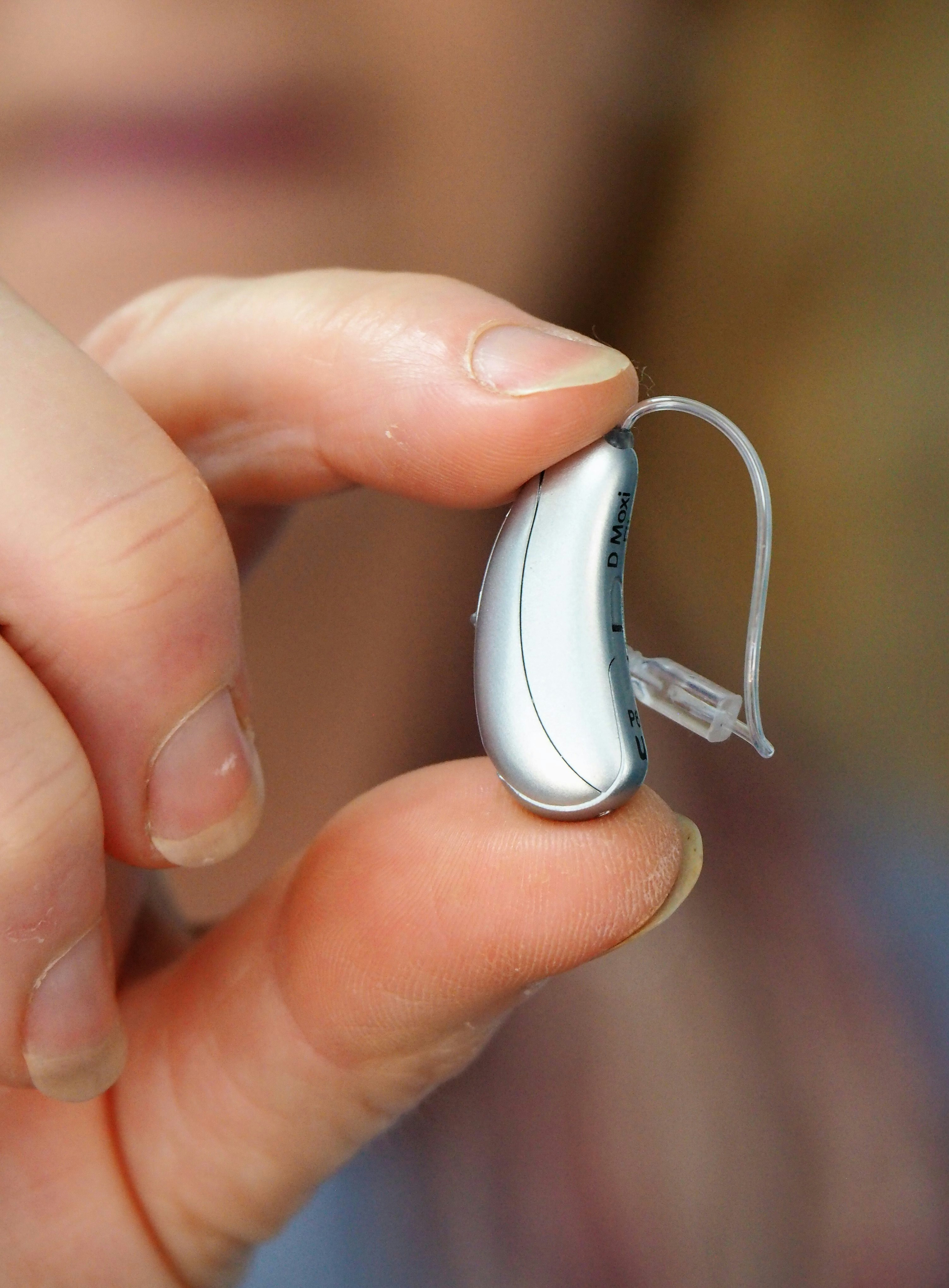
Understanding Hearing Loss and Its Challenges
Hearing loss is a significant public health concern that affects millions of individuals worldwide. According to the World Health Organization, over 430 million people suffer from disabling hearing loss, and this number is expected to rise dramatically in the coming years. Hearing impairments can range from mild, where an individual may struggle to hear soft sounds, to profound deafness, where the ability to perceive any sound is compromised. The types of hearing loss include conductive hearing loss, sensorineural hearing loss, and mixed hearing loss, each with unique causes and implications.
The challenges faced by individuals with hearing loss extend beyond the inability to hear. Communication becomes significantly impeded, impacting personal relationships and social interactions. Those with hearing impairments often find themselves in situations where they struggle to engage in conversations, leading to feelings of frustration and anxiety. Additionally, the risk of social isolation increases as individuals may withdraw from social activities due to the fear of misunderstanding or feeling excluded.
In the workplace, hearing loss can pose further challenges, potentially affecting job performance and career progression. Difficulties in understanding spoken instructions, participating in meetings, or conversing with colleagues can create barriers that hinder professional growth. Moreover, individuals with hearing impairments often experience emotional and psychological effects, such as lowered self-esteem and increased levels of stress. These factors collectively contribute to a diminished quality of life.
Addressing these challenges is crucial for improving the well-being of individuals with hearing loss. As the prevalence of hearing impairment continues to grow, it is imperative to explore innovative solutions that enhance communication and overall life satisfaction.
AI-Powered Hearing Aids Explanation
AI-powered hearing aids represent a significant advancement in the field of audiology, utilizing sophisticated technology designed to enhance auditory experiences for individuals with hearing loss. Unlike traditional hearing aids, which are predominantly analog devices that amplify sounds, AI-powered devices leverage the principles of machine learning and artificial intelligence to optimize sound processing in real-time.
At the heart of AI hearing aids is their ability to analyze environmental sounds and adapt accordingly. Through machine learning algorithms, these devices learn the user’s unique listening preferences and adjust the sound output automatically, thereby providing a more customized hearing experience. For instance, they can differentiate between background noise and speech, emphasizing important sounds while minimizing disruptive noises. This is particularly beneficial in complex auditory environments, such as crowded restaurants or busy streets, where traditional hearing aids may struggle to perform effectively.
Moreover, AI-powered hearing aids are equipped with adaptive features that can automatically change settings based on the user’s surroundings. With the integration of smartphone technology, users can control their hearing aids via mobile applications, adjusting parameters such as volume, sound profiles, and even receiving notifications about battery life or maintenance needs. This level of personalization and control enhances the user experience, fostering greater satisfaction and usability compared to their traditional counterparts.
Finally, the data collected by these intelligent devices can contribute to ongoing improvements. Users’ listening habits can be analyzed to further refine and optimize the algorithms used, ensuring that each hearing aid evolves with the user’s needs over time. Consequently, AI-powered hearing aids exemplify the future of auditory assistance, providing a highly adaptive and efficient solution for those experiencing hearing loss.
Benefits of AI in Hearing Aids
The introduction of artificial intelligence (AI) in hearing aids has marked a significant advancement in the way these devices function, offering numerous benefits that enhance the user experience. One of the most notable advantages is the improved sound quality that AI-powered hearing aids provide. These devices utilize intelligent algorithms to analyze sound environments continuously, allowing them to automatically adjust settings for optimal sound clarity. This level of sophistication makes it easier for users to engage in conversations, even in challenging auditory environments.
Another major benefit of AI integration is superior noise reduction capabilities. Traditional hearing aids often struggle to filter out background noise, which can be distracting and overwhelming for users. However, AI-driven models are designed to recognize and differentiate between speech and ambient sounds. This technology enhances speech recognition, facilitating a more enjoyable auditory experience, and ensuring that users can focus on important sounds without unnecessary interference.
Moreover, AI-powered hearing aids can provide personalized hearing experiences tailored to individual preferences and habits. These devices learn from the user’s behavior over time, adapting their settings to suit specific acoustic environments, such as quiet rooms versus crowded spaces. By using machine learning, the aids can automatically adjust their configurations based on the user’s interactions with the surrounding sound. This not only enhances user satisfaction but also promotes better long-term outcomes by addressing unique hearing challenges effectively.
Ultimately, the incorporation of AI in hearing aids reflects a commitment to advancing auditory technology, ensuring that users receive not just a device, but a comprehensive hearing solution that evolves as their needs change. The benefits of using AI in hearing aids extend beyond mere convenience; they signify a transformative shift toward more intelligent and responsive devices that enhance quality of life for individuals with hearing loss.
Looking Ahead: The Future of Hearing Aids with AI
The integration of artificial intelligence (AI) in hearing aids represents not just a technological advancement but a significant turning point in how individuals experience sound. As we project into the future, several key trends and innovations emerge that will likely shape the evolution of AI-powered hearing aids.
One promising development is enhanced connectivity with smart devices. Future hearing aids may seamlessly integrate with smartphones, home automation systems, and other IoT (Internet of Things) devices, allowing users to manage their auditory experience with unprecedented convenience. This connectivity could enable features such as automatic adjustments in volume and sound profiles based on the user’s environment, which could greatly enhance auditory clarity and comfort.
Another notable advancement involves the provision of remote assistance. With AI-powered hearing aids, audiologists may offer personalized support and fine-tune settings in real-time without the need for in-person visits. This will not only increase accessibility for users but also ensure that their devices are consistently optimized to meet their specific hearing needs.
Furthermore, ongoing AI developments have the potential to enhance sound recognition capabilities. Future hearing aids may become more adept at distinguishing between background noise and relevant sounds, allowing users to focus on conversations in crowded environments. Additionally, advancements in machine learning could result in hearing aids that adapt over time, learning the user’s preferences and patterns to improve overall listening experiences.
As we move forward, these innovations are set to redefine the landscape of hearing aids, making them more efficient and user-friendly. Emphasizing personalization through AI technology will not only improve auditory experiences but also help foster a sense of independence for individuals with hearing loss, ultimately enhancing their quality of life.








Leave a comment