


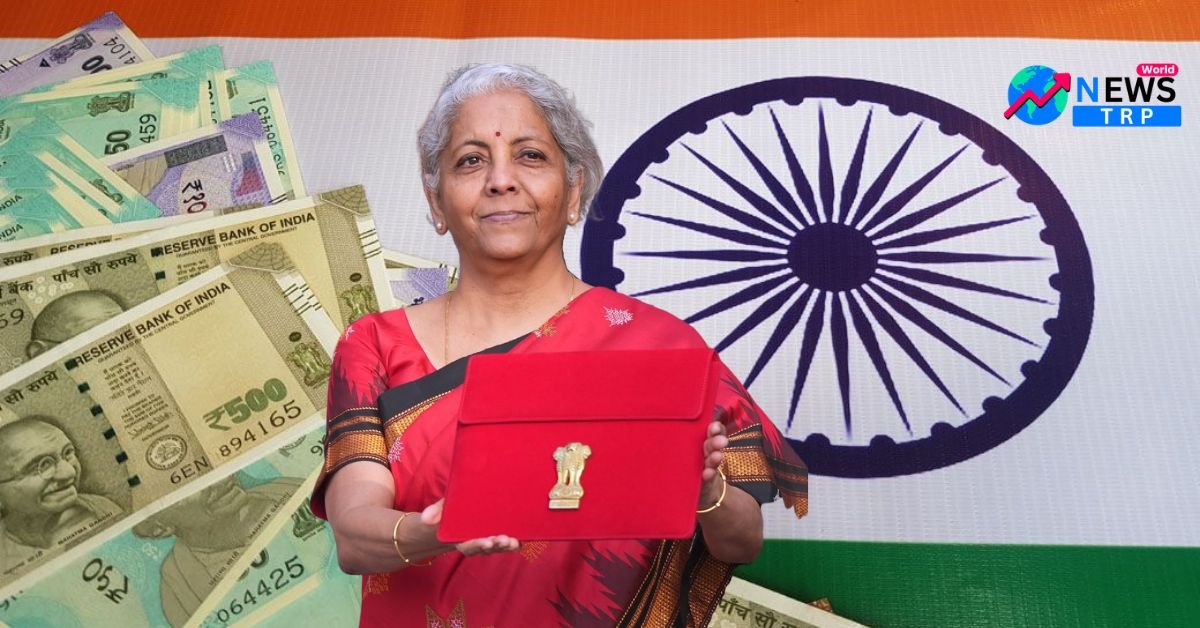
The Union Budget 2026–27, presented by Finance Minister Nirmala Sitharaman in the Parliament of India, outlines the Government of India’s financial and economic priorities for the coming financial year. The budget focuses on sustaining economic growth, strengthening infrastructure, encouraging manufacturing and innovation, supporting agriculture, and ensuring inclusive development while maintaining fiscal discipline.
This budget reflects the government’s long-term vision of building a strong, self-reliant, and globally competitive Indian economy.
Economic Outlook and Fiscal Strategy
The Union Budget 2026–27 aims to maintain macro-economic stability amid global uncertainties. The government has emphasized prudent fiscal management while continuing to invest heavily in growth-oriented sectors.
A key highlight is the continued effort to reduce the fiscal deficit gradually, signalling the government’s commitment to fiscal consolidation. At the same time, capital expenditure remains a priority, as public investment is seen as a driver of private sector participation, job creation, and long-term economic productivity.
The budget projects steady economic growth supported by strong domestic demand, rising investments, and improved infrastructure.
Taxation Policy and Reforms
Direct Taxes
The budget maintains stability in personal income tax rates, offering relief through continuity rather than major structural changes. This approach provides certainty to taxpayers and supports household consumption.
The government has reiterated its intention to simplify tax laws and improve compliance through technology-driven systems, faster refunds, and reduced litigation.
Indirect Taxes
Customs and excise duties have been rationalised in select sectors to support domestic manufacturing, promote exports, and reduce input costs. These measures are aligned with the broader objective of strengthening India’s industrial base and global competitiveness.
Infrastructure Development
Infrastructure remains one of the strongest pillars of the Union Budget 2026–27.
Significant investments have been announced for:
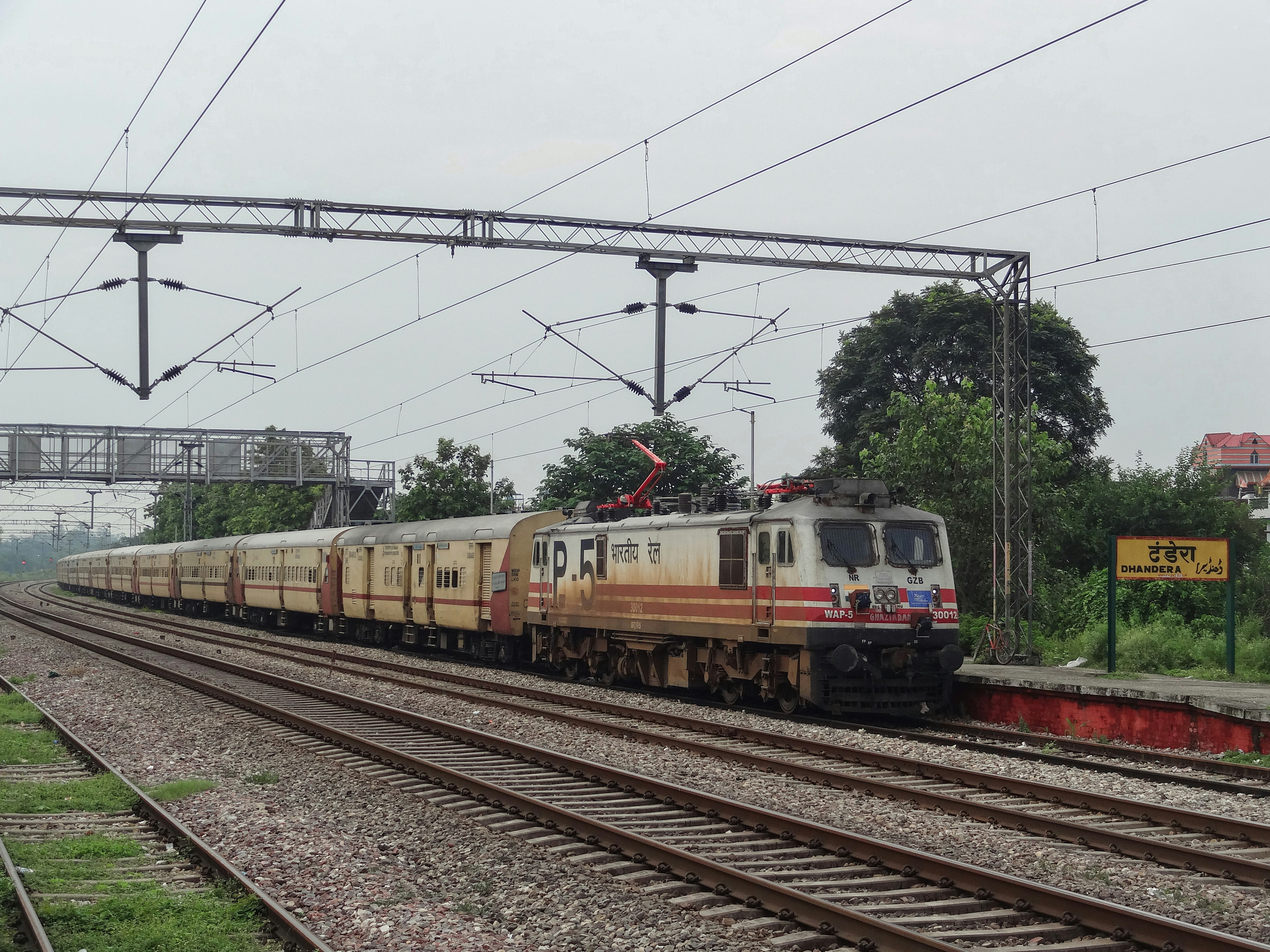
- Transport infrastructure, including highways, railways, ports, and urban mobility
- Logistics and freight corridors to reduce transportation costs
- Urban infrastructure, focusing on smart cities, housing, and sanitation
The government believes that improved infrastructure will enhance productivity, attract investments, and create employment opportunities across regions.
Boost to Manufacturing and Industry
The budget continues to support domestic manufacturing under long-term industrial development strategies. Special emphasis has been placed on:
- Electronics and semiconductor manufacturing
- Pharmaceuticals and biotechnology
- Green energy and clean technologies
Targeted incentives and policy support aim to make India a key player in global supply chains while reducing dependence on imports.
Agriculture and Rural Development
Agriculture remains central to inclusive growth. The Union Budget 2026–27 focuses on improving farm productivity, farmers’ income, and rural livelihoods.
Key areas of attention include:
- Promotion of high-value crops and allied activities
- Expansion of irrigation and water conservation projects
- Greater use of technology and digital tools in farming
- Strengthening rural infrastructure and markets
These initiatives are designed to make agriculture more resilient and profitable, especially for small and marginal farmers.
Education, Skill Development, and Employment
Recognising the importance of human capital, the budget places strong emphasis on education and skill development.
Measures include:
- Expansion of digital and higher education infrastructure
- Skill-oriented training programs aligned with industry needs
- Support for innovation, research, and startups
The goal is to bridge the gap between education and employment and prepare the workforce for future-ready jobs.
Healthcare and Social Welfare
The Union Budget 2026–27 strengthens healthcare infrastructure and social security systems. Increased allocations aim to:
- Improve access to quality healthcare services
- Expand medical education and healthcare workforce
- Strengthen welfare schemes for women, children, senior citizens, and vulnerable groups
The focus remains on affordable healthcare and social protection for all sections of society.
Support to States and Cooperative Federalism
The budget continues to uphold cooperative federalism by ensuring predictable and timely financial transfers to states. States receive support for infrastructure development, welfare programs, and fiscal reforms, enabling balanced regional growth.
Conclusion
The Union Budget 2026–27 presents a balanced approach that combines growth, stability, and inclusiveness. By prioritising infrastructure, manufacturing, agriculture, human capital, and fiscal discipline, the budget lays a strong foundation for sustainable economic development.
Overall, the budget reflects a long-term vision of transforming India into a resilient, innovation-driven, and inclusive economy while addressing present-day challenges with confidence and clarity.







Leave a comment